Book chapter on biological ageing in 'Indicators of animal well-being: Guidelines for valid use' 2025
M. Bateson, L.A. Seeker
Book Chapter - In preparation. Scheduled publication: 2026
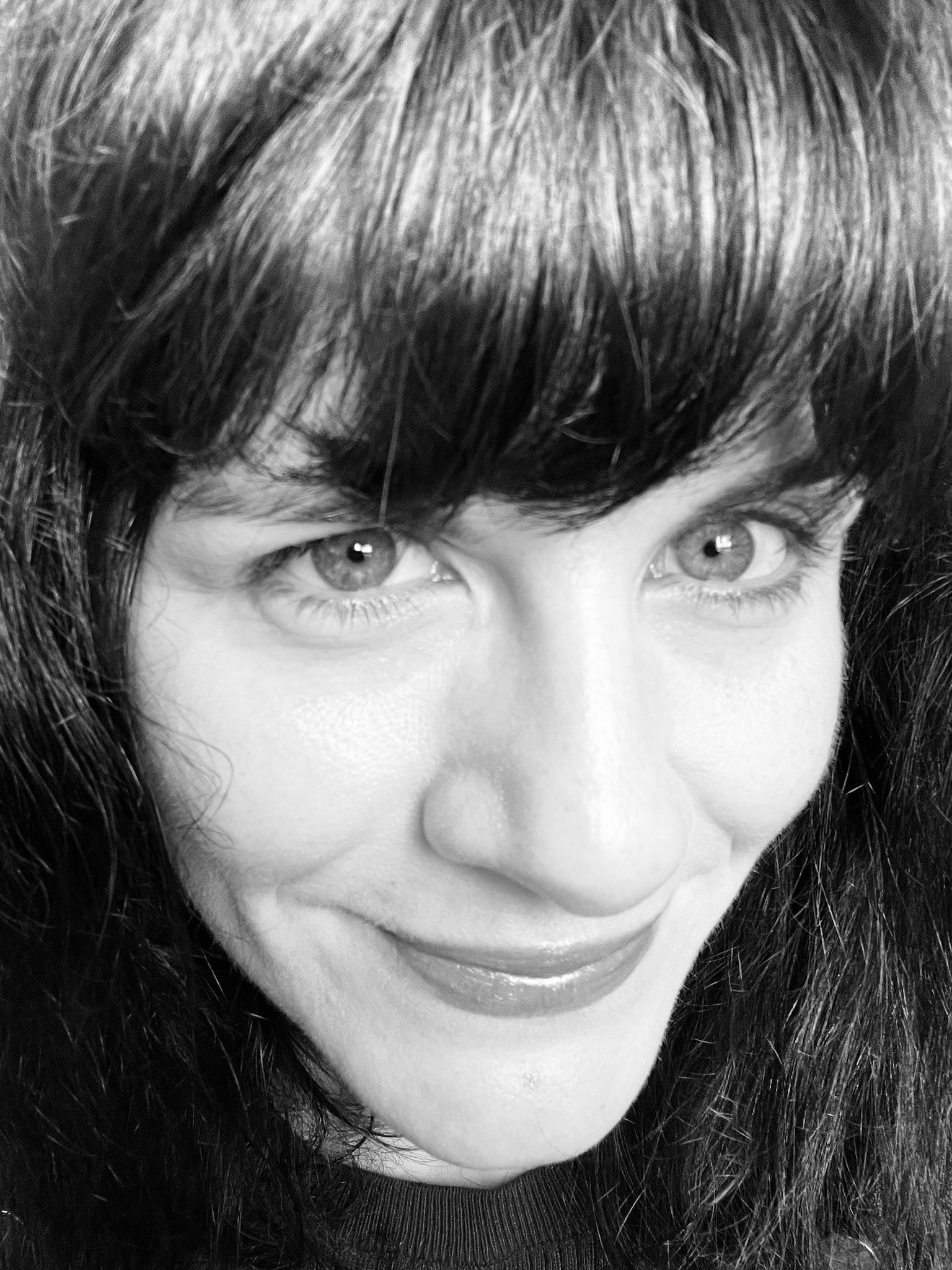
I'm a Senior Scientist in Bioengineering at Stanford University, where I work at the interface of spatial genomics, human biology, and data-driven discovery. My research focuses on understanding how cellular identity, aging, and disease emerge from spatially organized gene expression across a wide variety of human tissues, with a particular interest in the human nervous system.
My perspective is shaped by a medical background in veterinary medicine and long-standing training in cellular aging biology. I lead and contribute to large-scale efforts to build multimodal human tissue atlases, integrating spatial transcriptomics with single-cell and single-nucleus RNA sequencing, including work on Stanford's HAI Hoffman-Yee–funded Virtual Cell initiatives.
My research combines hands-on wet-lab biology with computational and statistical analysis to resolve cellular heterogeneity across tissue regions, developmental stages, and aging trajectories. A recurring theme in my work is how cells of the same type behave differently depending on their anatomical and microenvironmental context.
My work spans spatial genomics, computational biology, and translational research on human tissues.
Leading large-scale efforts to build multimodal human tissue atlases by integrating spatial transcriptomics with single-cell and single-nucleus RNA sequencing. Contributing to Stanford's Virtual Cell initiatives, developing scalable representations of human cellular organization across diverse tissues and developmental stages.
Investigating how cellular identity and aging processes unfold in the human nervous system. Combining spatial context with transcriptomic data to understand regional and cell-type-specific aging trajectories, and how microenvironmental factors shape cellular behavior across brain regions.
Developing and evaluating annotation and quality-control strategies for complex spatial datasets, including human-in-the-loop and AI-assisted workflows that integrate histology, spatial context, and transcriptomic information. Interested in how emerging AI methods can support biological reasoning and help scale expert knowledge in high-dimensional human data.
A selection of my publications. For a complete list, see my Google Scholar profile.
Google ScholarM. Bateson, L.A. Seeker
Book Chapter - In preparation. Scheduled publication: 2026
G. Crowley, Tabula Sapiens Consortium, S.R. Quake
Nature Communications
The Tabula Sapiens Consortium, S.R. Quake
BioRxiv - BioRxiv, In review at Cell
N.-L. Kazakou, et al., L.A. Seeker, et al., A. Williams
Nature Communications
M. Kabbe, et al., L.A. Seeker, et al., G. Castelo-Branco
BioRxiv - BioRxiv, In submission
S.M.K. Bøstrand, L.A. Seeker, et al., A. Williams
Acta Neuropathologica Communications - BioRxiv, accepted in Acta Neuropathologica Communications
J.-F. Chien, et al., L.A. Seeker, et al., E.A. Mukamel
Neuron
S. Ravindran, et al., L.A. Seeker, H. Froy
Proc. R. Soc. B - Proceedings of the Royal Society B: Biological Sciences
L.A. Seeker, N. Bestard-Cuche, S. Jäkel, N.L. Kazakou, S. Bostrand, A. Kilpatrick, N. Henderson, C. Vallejos, G. La Manno, G. Castelo-Branco, A. Williams
Acta Neuropathol. Commun. - Acta Neuropathologica Communications
S. Quick, et al., L.A. Seeker, et al., A. Williams
Acta Neuropathologica
L.A. Seeker, A. Williams
Acta Neuropathologica
S. Ravindran, et al., L.A. Seeker, et al., D.H. Nussey
Molecular Ecology
H. Froy, et al., L.A. Seeker, et al., D.H. Nussey
PNAS - Proceedings of the National Academy of Sciences
L.A. Seeker, S.L. Underwood, R.V. Wilbourn, J. Dorrens, H. Froy, R. Holland, J.J. Ilska, A. Psifidi, A. Bagnall, B. Whitelaw, M. Coffey, G. Banos, D.H. Nussey
Scientific Reports
L.A. Seeker
Molecular Ecology
J. Ilska-Warner, et al., L.A. Seeker, et al., G. Banos
Frontiers in Genetics
D. Nettle, L. Seeker, D. Nussey, H. Froy, M. Bateson
PLOS One
L.A. Seeker, J.J. Ilska, A. Psifidi, R.V. Wilbourn, S.L. Underwood, J. Fairlie, et al., G. Banos
Scientific Reports
L.A. Seeker, J.J. Ilska, A. Psifidi, R.V. Wilbourn, S.L. Underwood, J. Fairlie, et al., G. Banos
PLOS One
L.A. Seeker, R. Holland, S. Underwood, J. Fairlie, A. Psifidi, J.J. Ilska, et al.
PLOS One
Community Gardening Initiative
A community project promoting tulip bulbs instead of candy for Halloween. The idea is simple: instead of giving out candy that's gone in minutes, we give children flower bulbs that they can plant and watch bloom in spring. The bulbs are then planted as a community to make our shared spaces more beautiful.
In partnership with Redwood City Parks, we've organized community planting events where neighbors come together to plant hundreds of bulbs in local green spaces. It's a way to create lasting beauty in our neighborhood while teaching children about gardening and environmental stewardship.
Science Communication & Education
Co-hosting a podcast with Dr. Sarah Jäkel where we explain the principles of single cell RNA sequencing, discuss current developments and publications, and interview fellow scientists. The podcast is designed for anyone starting their own single cell RNA-seq experiment, current users, or those wanting to better understand this exciting method.
Supporting MS Research
Only recently I discovered running as a way to raise money for research. I've run a couple of half marathons and raised some money for the MS Society by doing so. I plan to do more of this in the future.